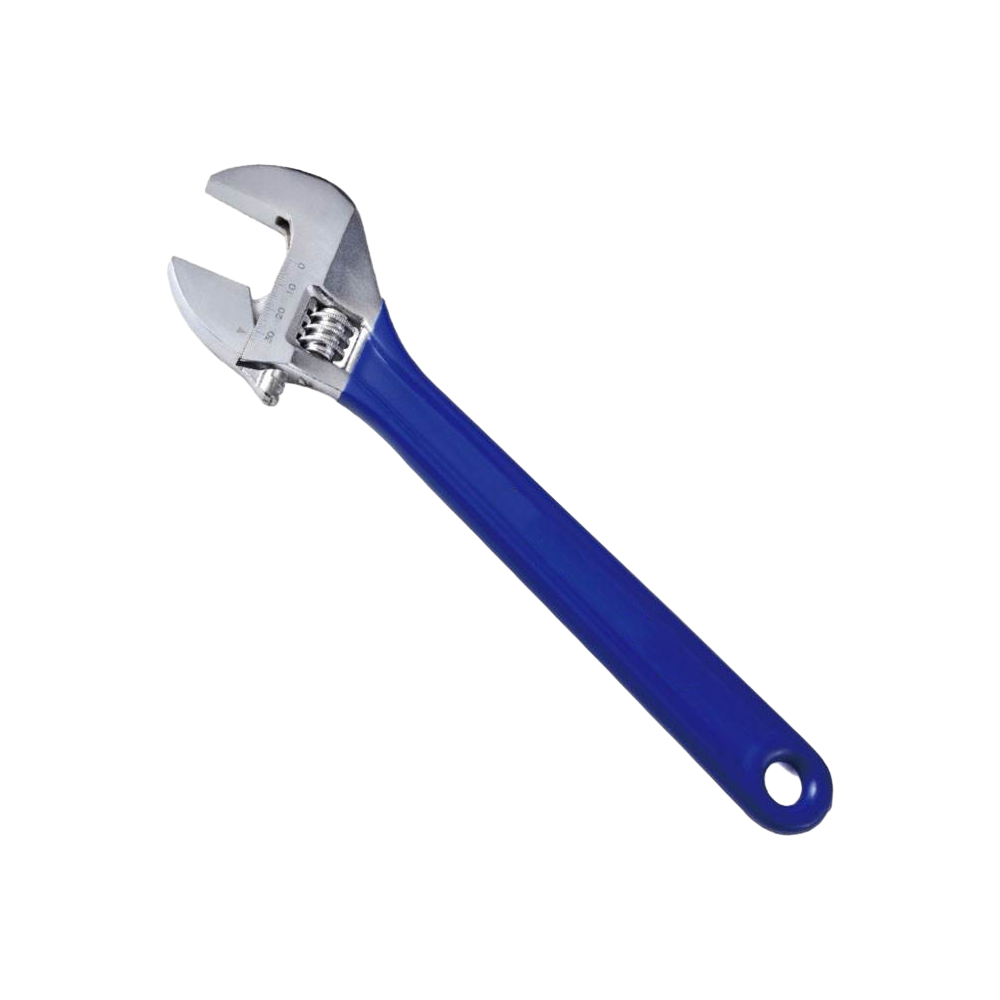
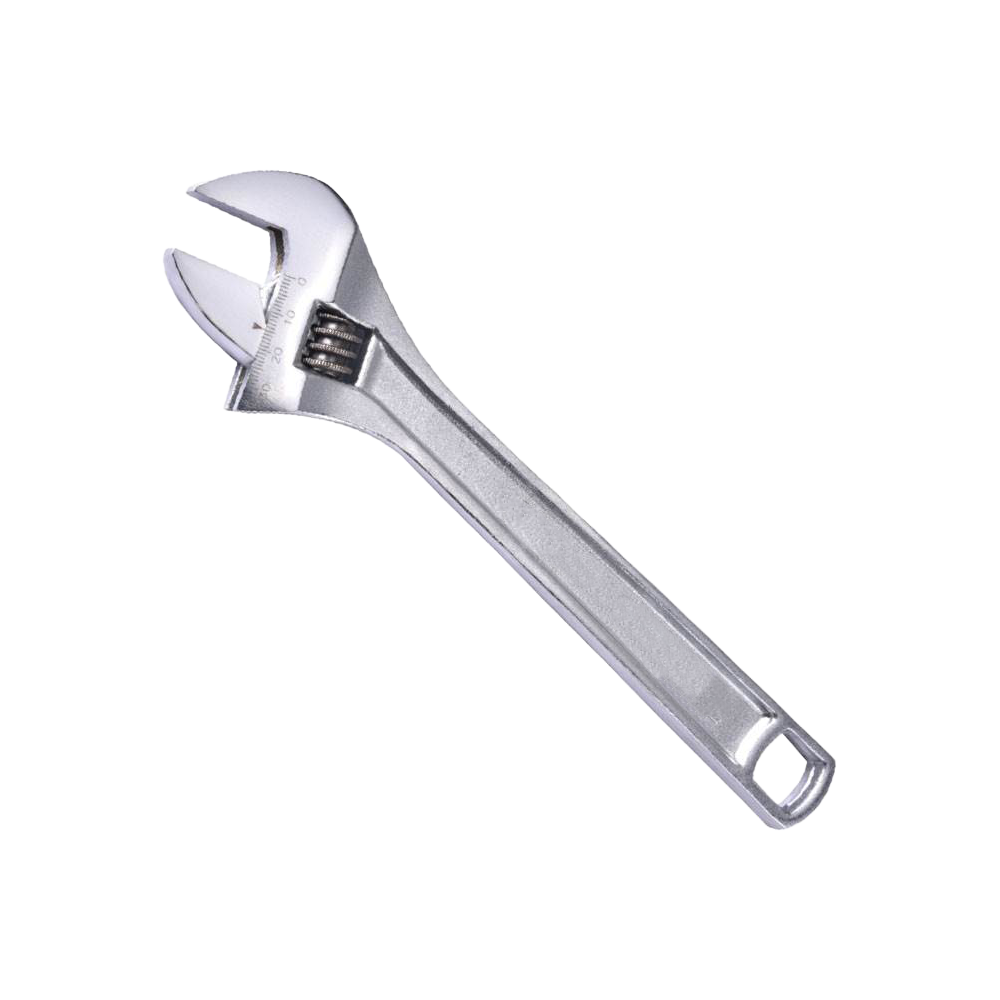
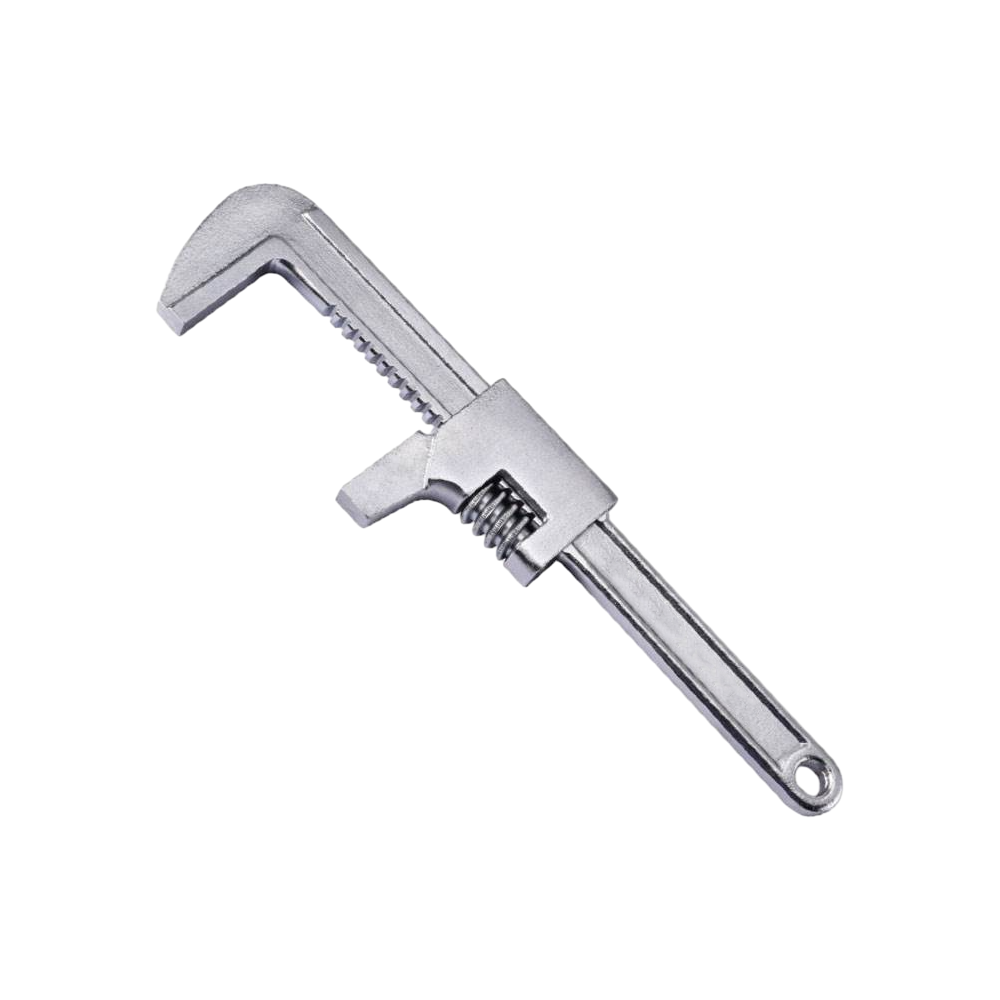
language
In che modo una chiave a cricchetto può farti risparmiare tempo durante le riparazioni del veicolo?
Introduzione
Quando si tratta di riparazioni di veicoli, gli strumenti giusti possono fare la differenza tra una soluzione rapida e un'operazione che richiede molto tempo. Uno di questi strumenti che si è rivelato prezioso sia per i professionisti che per gli appassionati del fai da te è il chiave a cricchetto . Questo versatile utensile manuale è progettato per rendere le attività di fissaggio e allentamento molto più efficienti, soprattutto in spazi ristretti dove le chiavi convenzionali potrebbero avere difficoltà.
Cos'è una chiave a cricchetto?
Una chiave a cricchetto è uno strumento specializzato che combina i vantaggi di una chiave standard con un meccanismo a cricchetto. Questo meccanismo consente all'utente di serrare o allentare bulloni e dadi senza dover rimuovere lo strumento dal dispositivo di fissaggio. La funzione a cricchetto consente la rotazione continua in una direzione, mentre la chiave rimane in contatto con l'elemento di fissaggio, rendendo il processo più rapido ed efficiente.
-
Chiave standard contro chiave a cricchetto :
- Le chiavi tradizionali richiedono il riposizionamento ad ogni giro.
- Le chiavi a cricchetto richiedono il riposizionamento solo in caso di cambio di direzione, risultando così più veloci ed efficaci.
Come fa una chiave a cricchetto a risparmiare tempo?
Elimina la necessità di riposizionare lo strumento
Nella meccanica tradizionale, sarebbe necessario rimuovere e riposizionare la chiave dopo ogni giro, il che può richiedere molto tempo quando si lavora su elementi di fissaggio difficili da raggiungere. Con una chiave a cricchetto, il movimento continuo consente di serrare o allentare un elemento di fissaggio senza rimuovere l'utensile, risparmiando tempo prezioso.
Funziona in spazi ristretti
Durante la riparazione dei veicoli, molti componenti si trovano in spazi ristretti o confinati. Il design compatto e la flessibilità della chiave a cricchetto la rendono adatta a lavorare in aree in cui le chiavi tradizionali sarebbero inefficaci. La sua capacità di adattarsi a spazi ridotti aiuta i meccanici a lavorare rapidamente su attività come la sostituzione delle candele, la rimozione di componenti del motore o il fissaggio dei sistemi di sospensione.
Aumenta l'efficienza con regolazioni rapide
Una chiave a cricchetto è spesso dotata di un meccanismo a sgancio rapido, che consente regolazioni rapide per adattarsi a bulloni e dadi di varie dimensioni. Ciò riduce il tempo trascorso a cercare lo strumento giusto o a cambiare costantemente tra chiavi diverse.
Caratteristiche principali delle chiavi a cricchetto
Ecco alcune delle caratteristiche essenziali delle chiavi a cricchetto che contribuiscono alla loro capacità di risparmiare tempo:
| Caratteristica | Vantaggio |
|---|---|
| Meccanismo a cricchetto | Consente la rotazione continua in una direzione, eliminando la necessità di riposizionare la chiave. |
| Pulsante a sgancio rapido | Consente una rapida regolazione dell'utensile, riducendo il tempo dedicato alla configurazione. |
| Dimensioni compatte | Perfetto per l'uso in spazi ristretti, garantendo un facile accesso agli elementi di fissaggio difficili da raggiungere. |
| Costruzione durevole | I materiali di alta qualità garantiscono che la chiave duri più a lungo, riducendo la necessità di sostituzioni frequenti. |
| Lunghezza della maniglia variabile | Si regola per soddisfare diversi requisiti di coppia, rendendolo adattabile a varie parti del veicolo. |
Applicazioni delle chiavi a cricchetto nelle riparazioni dei veicoli
Le chiavi a cricchetto vengono utilizzate per una varietà di attività di riparazione di veicoli, garantendo un notevole risparmio di tempo durante ogni lavoro. Alcune delle applicazioni comuni includono:
- Riparazioni del motore : Sostituzione delle candele o interventi sulle testate.
- Lavori di sospensione : Stringere e allentare i componenti delle sospensioni come ammortizzatori e montanti.
- Manutenzione del sistema frenante : Lavori su rotori e pinze dei freni.
- Cambi pneumatici : Rimozione dei dadi ad alette in modo rapido ed efficiente.
- Sistema di scarico : Componenti di fissaggio come catalizzatore e marmitte.
Vantaggi in termini di risparmio di tempo per meccanici e appassionati del fai-da-te
Meno sforzo fisico
L'uso di una chiave a cricchetto riduce la necessità di forza manuale quando si allentano o si stringono elementi di fissaggio ostinati. Il meccanismo a cricchetto consente all'utente di lavorare in modo più efficiente con meno sforzo, il che non solo fa risparmiare tempo ma riduce anche al minimo lo sforzo fisico durante le riparazioni.
Perfetto per attività ripetitive
Le riparazioni dei veicoli spesso comportano più elementi di fissaggio che devono essere serrati o allentati ripetutamente. La chiave a cricchetto è progettata esattamente per questo scopo. La sua capacità di passare rapidamente dal serraggio all'allentamento con un movimento minimo migliora la velocità e la facilità di queste attività ripetitive.
Coppia più elevata con meno sforzo
Le chiavi a cricchetto sono generalmente progettate per applicare una coppia maggiore con uno sforzo fisico minore rispetto alle chiavi tradizionali. Questa funzione è particolarmente utile quando si lavora su bulloni arrugginiti o resistenti, poiché fa risparmiare tempo e riduce la necessità di strumenti aggiuntivi.
Come scegliere la chiave a cricchetto giusta per le riparazioni del tuo veicolo
Sebbene le chiavi a cricchetto siano disponibili in diverse dimensioni e configurazioni, è essenziale sceglierne una adatta alle proprie esigenze. Ecco alcuni fattori da considerare quando si seleziona una chiave a cricchetto per la riparazione del veicolo:
| Fattore | Considerazione |
|---|---|
| Dimensioni unità | Le dimensioni comuni includono 1/4", 3/8" e 1/2". Maggiore è la trasmissione, maggiore è la coppia che è possibile applicare. |
| Lunghezza della maniglia | Una maniglia più lunga consente una coppia maggiore ma potrebbe essere meno adatta per spazi ristretti. |
| Materiale | Cerca materiali durevoli come l'acciaio al cromo vanadio per prestazioni di lunga durata. |
| Meccanismo reversibile | Questa funzione consente di alternare tra il serraggio e l'allentamento, migliorando la versatilità. |
Domande frequenti
1. Qual è la differenza tra una chiave a cricchetto e una chiave normale?
- Una chiave normale richiede il riposizionamento dopo ogni giro, mentre una chiave a cricchetto consente la rotazione continua in una direzione, risparmiando tempo.
2. Posso utilizzare una chiave a cricchetto per tutte le riparazioni del veicolo?
- Sebbene una chiave a cricchetto sia estremamente versatile, potrebbe non essere adatta a tutte le riparazioni, soprattutto quando si ha a che fare con spazi estremamente ristretti o compiti specifici che richiedono maggiore precisione.
3. Come posso mantenere la mia chiave a cricchetto per un uso a lungo termine?
- Pulisci regolarmente la chiave a cricchetto e lubrifica il meccanismo a cricchetto per garantire un funzionamento regolare e una lunga durata.
4. Posso utilizzare una chiave a cricchetto per attività diverse dalla riparazione del veicolo?
- Sì, le chiavi a cricchetto sono utili per una varietà di attività, tra cui riparazioni domestiche, manutenzione di macchinari e progetti di costruzione.
5. Le chiavi a cricchetto sono disponibili in diverse configurazioni?
- Sì, le chiavi a cricchetto sono disponibili con diverse dimensioni di azionamento e lunghezze di impugnatura, consentendo soluzioni personalizzate a seconda della riparazione o dell'attività.
Conclusione
In conclusione, una chiave a cricchetto è uno strumento indispensabile che può far risparmiare tempo prezioso durante le riparazioni del veicolo. La sua efficienza, il design compatto e la capacità di lavorare in spazi ristretti lo rendono un must nella cassetta degli attrezzi di ogni meccanico. Che tu sia un meccanico professionista o un appassionato del fai-da-te, l'utilizzo di una chiave a cricchetto accelererà senza dubbio le riparazioni, ridurrà lo sforzo fisico e migliorerà la produttività complessiva. Con una migliore comprensione delle sue caratteristiche, usi e vantaggi, ora puoi scegliere la chiave a cricchetto giusta per semplificare il tuo prossimo progetto di riparazione del veicolo.

-
Feedback